A good waterslide can turn a backyard into an instant summer park. The right inflatable slide shrinks a long, hot afternoon into a blur of laughs, splashdowns, and tired kids who sleep in the car ride home. The hard part is getting all the small details right. If you have ever tried to rent waterslide units for birthday party water slide fun and ended up scrambling with hose splitters, power cords, or unexpected wind gusts, you know how easy it is to overlook the basics. With a bit of preparation, you can make inflatable rentals feel effortless, and you will set yourself up for a smooth, safe day.
This guide pulls back the curtain on how professionals handle cleaning, delivery, and weather calls, and what you should expect as a customer. It also covers a few trade-offs most websites gloss over: chlorine smell versus eco-friendly cleaners, grass wear versus driveway setup, and the real difference between “drizzle friendly” and “shut it down now.” If your plan includes water slides for rent, inflatable rentals water combos, or a bigger inflatable slide for older kids, you will leave with a practical plan and a clear set of questions to ask your provider.
Match the slide to your backyard, not the other way around
A showpiece slide might look perfect online, then arrive and block the patio door, nip your fence gate by an inch, or hover too close to a retaining wall. Before you book, sketch your yard on paper, roughly to scale. Measure the narrowest gate opening and the distance from that gate to the final placement area. Note the power outlets and hose bibs. Think in rectangles: a 15 by 25 foot footprint with 3 to 5 feet of safety buffer on every side is a normal minimum for small to medium waterslides. Bigger dual-lane slides or a combo with a bounce area can need 18 by 35 feet or more.
There are quiet advantages to going slightly smaller than your maximum available space. A slide that fits with a comfortable buffer is easier to supervise. It leaves room for a staging area where kids line up, and for a safety mat near the entrance. It also keeps you from jamming the blower behind a grill or air conditioning unit, which helps airflow and keeps noise away from the party conversation zone.
The right size also depends on the riders. For a birthday party water slide with toddlers and early elementary kids, 12 to 14 foot slide heights ride fast enough to thrill without overwhelming them. Preteens often want 15 to 18 foot slides with a good splash pool. Teen groups lean toward 18 to 22 foot units. Bigger is not always better, especially on smaller lawns. If you expect a wide age range, a combo unit with a shallower pool and a side-climb works well. You can always add a smaller slip-and-slide lane as a second activity if the budget allows.
What “clean” should mean, and how pros actually do it
Reputable operators clean and sanitize every inflatable after each rental. That is not marketing fluff. Water plus heat creates a perfect environment for grime and mildew, so a company that skimps here creates problems you will see and smell at drop-off. The good ones use a two-stage approach: a basic wash to remove dirt and grass, followed by a hospital-grade or EPA-registered disinfectant that is safe for vinyl and for skin contact once dried. The point is to reduce bacteria to safe levels without harsh residue.
A typical process looks like this. The team unrolls the unit in their warehouse or on a clean tarp, rinses with low-pressure water, and applies a mild detergent. They scrub seams and climb lanes with soft-bristle brushes, then rinse again. After that, they apply a sanitizer that lists kill times and target organisms on its label. Drying is the key step. Vinyl that is rolled up even a little damp can take on that locker-room smell and form light film that is stubborn to remove. Pros run high-volume fans and allow hours of airflow, then powder or wipe friction points so the slide feels dry and slick, not tacky.
Cleaning specifics you can confirm without being a pest: ask what brand of disinfectant they use and whether it is compatible with chlorinated pool water and skin contact. Ask if they clean on-site after pickup or at their warehouse, and whether they use clean tarps at your location. You want to hear details about dwell time and drying, not vague promises. If the team arrives and the slide smells strongly of citrus or bleach, do not panic. That often signals a recent clean, but they should be willing to run a towel over surfaces and let you sniff-check before kids climb on. A faint, clean scent is normal. A chemical tang that stings eyes is a red flag.
There is an ongoing debate around eco-friendly cleaners. Some companies use botanical disinfectants with thymol or citric-based formulas. These can work well if used at labeled concentrations, but they may have longer dwell times or a strong natural odor. Chlorine-based options work quickly, but overuse can fade vinyl or irritate sensitive skin. The best shops don’t overapply, and they rinse or wipe down high-contact areas as a final step.
Delivery windows, access routes, and what the crew needs from you
Delivery teams run tight routes, especially on summer weekends. Expect a delivery window, often two to four hours, and know that early weekday drops are common for Saturday rentals. If you need a precise time because of a venue or HOA gate schedule, say so early. It may carry a fee because it constrains the driver’s route.
Access is the unsung hero of a smooth day. A standard backyard gate of 36 inches is usually enough, but some larger inflatables arrive strapped to dollies that need 40 inches or more. If your gate is narrow, the crew might be able to squeeze through by partially unrolling and re-rolling, but that adds time and risk. Stairs are another factor. One or two steps is fine. A long flight or tight switchback can be a deal-breaker for heavy slides. Gravel pathways and steep slopes slow everything down and can force the team to place the slide closer than ideal to your power source or hose.
Utilities matter. A single 1 to 1.5 horsepower blower pulls roughly 7 to 11 amps on startup, then settles closer to 6 to 8 under load. Two blowers double that draw. Most homes can handle a single blower on a dedicated 15-amp circuit. For two blowers, run separate circuits, not just separate outlets on the same circuit. A 12-gauge outdoor extension cord, no longer than 50 to 100 feet depending on load, is the standard. Thin cords heat up, voltage drops, and blowers strain, which wears the motor and softens the slide walls. For water, plan for a constant garden-hose flow at typical city pressure. Some slides run fine with intermittent water after the initial soak, but the top lane is happiest with a steady trickle to keep friction down. If your spigot is far, test the hose run in advance for leaks and pressure.
Placement decisions should include where the runoff goes. A backyard water slide parties setup can turn into a mud patch in an hour if the pool drains onto bare soil. On grass, consider a slight downhill orientation toward a rock bed or a drain, or run a short diverter hose from the pool drain to a flower bed. On concrete, add play mats at the exit to keep kids from slipping as they stand up.
A quick pre-booking and day-of checklist
- Measure gate width, the clear path to placement, and final footprint with safety buffer. Confirm power: number of blowers, circuit availability, and cord gauge/length. Test water source and plan for runoff; stage towels and a shoe bin. Identify shade patterns and high-traffic routes for supervision sightlines. Share any access quirks with the rental company, including stairs, HOA gates, or street parking limits.
What setup should look like, step by step
When the crew arrives, they should walk the yard with you and agree on placement. They will lay a clean tarp as a base to protect the vinyl from sticks and stones. Stakes or sandbags come next. On grass, 18-inch steel stakes are standard, driven at opposing angles; sandbags are the default on concrete or over septic areas where stakes are not allowed. Pros do not skip anchoring because the water weight “holds it.” Weight helps, but wind loads act like sails. Anchoring is non-negotiable.
Next, they connect the blower, check GFCI function, and test inflation. While the unit inflates, they verify seams are straight and tie-downs are taut. After that, they add the water line, often with a small hose that Velcros to the slide lane, and adjust the flow so water spreads, not sprays. The slide should glisten, not pool on the lane. If the unit includes a pool, the crew may top it off, or they may leave it to fill while they review rules with you. Ask for a walk-through: rules of one-at-a-time on the climb, feet-first slides, and no piling at the exit.
As the host, reserve a minute for your own safety scan. Confirm that the blower intake is clear of leaves, that extension cord connections are under a drip loop or protected, not in sitting water, and that the entrance has a dry zone for shoes and towels. This once-over takes less than a minute and removes most little surprises.
The real cost of waterslides for backyard parties
Prices vary by region and by the slide’s size and features. In many towns, a basic single-lane 12 to 14 foot water slide might rent for 180 to 300 dollars for a day. A 15 to 18 foot dual-lane slide or a large combo often ranges from 300 to 500 dollars. Signature slides, 20 feet and up with long lanes, may run 500 to 900 dollars or more, sometimes including delivery and setup within a radius. Expect add-ons for exact-time delivery, attendant staffing, generator rentals if you lack power, and after-hours pick-up. Some companies offer day-before drop-off at no extra charge if their schedule allows. Ask, because a relaxed setup the evening prior makes the party morning stress-free.
Value is not only size per dollar. Consider safety record, cleaning rigor, and weather flexibility. A company with clear weather policies and clean equipment saves you from wasted food, crying kids, and rescheduling headaches that ripple through your weekend.
Weather policies that actually protect your party and your yard
Weather is the big variable in inflatable rentals. Policies exist to keep riders safe and equipment intact, and they usually hinge on wind speeds, lightning proximity, and heavy rain. The simple rules of thumb are grounded in physics and electrical safety, not just caution.
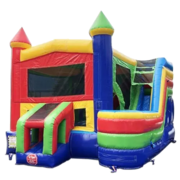
Wind is the number one reason to deflate. Most waterslides come with a manufacturer’s wind limit in the 15 to 20 mph sustained range, with lower limits for gusts. Gusts push higher loads than steady winds, so a day with 10 mph sustained and 25 mph gusts is more dangerous than one at 16 mph steady. If forecasters call for variable gusts above 20, expect a stop or no-go decision. Anchors do a lot of work, but wind lifts from edges and pressurizes the body of the inflatable like a wing.
Lightning anywhere in the area means power cords, wet grass, and aluminum stakes suddenly matter in ways you cannot control. If you hear thunder, cue a pause and deflate. A conservative rule is to wait 30 minutes after the last thunderclap before reinflating. Most operators share this guidance, and many require deflation until the storm clears by radar.
Rain alone is tricky. Light showers are often fine for a water slide because the activity already involves water and the vinyl is non-absorbent. Heavy rain can overwhelm the pool drain, flood the base, and increase slip hazards on concrete. It can also soak the blower area, which is not safe. If you are on grass, soaking can turn your lawn into a mudrink for days, which leads to claims and frustration on both sides.
Temperatures matter for rider comfort and for materials. Very cool days make splashdowns punishing, and hot vinyl under direct sun can feel sticky to skin. Shade or a canopy near the queue helps.
A fast guide for weather calls during the event
- Sustained winds above 15 mph or gusts above 20: pause, deflate, and wait for calmer conditions. Thunder or lightning within several miles: deflate immediately and wait at least 30 minutes after the last thunder. Heavy, prolonged rain that pools at the base or floods the blower: shut down and protect electrical connections. Light rain or drizzle with no wind: continue with supervision, reduce rider speed, and towel steps as needed. Heat index above the mid-90s with full sun: rotate riders, use shade breaks, and run a slightly higher water flow to cool the surface.
How reschedules and refunds typically work
Good operators spell out weather policies in writing. Most allow free rescheduling with 24 hours notice if the forecast is genuinely unfavorable. The gray area is a 40 to 60 percent chance of showers. Some companies let you decide by a deadline, then lock the choice. Others choose to err on safety and cancel on their own if wind forecasts look poor, with a full refund or a credit. Credits are common because they keep small businesses afloat during volatile weeks. If a forecast is mild but rain pops up mid-party, partial refunds are rare because delivery, setup, and opportunity costs are already sunk. That said, some will offer a goodwill discount on your next event if the day turns on you. Worth asking politely.
If you are booking for a park, look at local permit rules. Many cities require additional insurance certificates for inflatables, sometimes naming the city as additionally insured. Weather closures for parks can also be abrupt. Reserve flexibility in your plan, and have a backyard backup if possible.
Supervision, rules, and the art of keeping the line moving
Inflatable rentals are not set-and-forget. Assign one adult to be the waterslide marshal. Their job is to coach one-at-a-time climbs, enforce feet-first sliding, and clear the pool exit before the next rider starts. For mixed ages, run time blocks. Ten minutes for smaller kids, ten for older ones. This avoids the awkward conversation when a fearless twelve-year-old bombs past a four-year-old half-way up the climb lane. If numbers climb above a dozen kids, consider hiring an attendant from the rental company. Their presence changes the tone and allows you to focus on hosting.
Shoes, glasses, and sharp objects stay off the inflatable. Food and gum are slide killers, sticky in the moment and nasty by the next day. If you plan to serve snow cones or popsicles, stage them away from the inflatable. Consider a rinse bucket near the entrance for sandy or grassy feet, and a towel station near the exit.
Power, water, and the day-of maintenance no one tells you about
A blower wants consistent voltage. If you hear it lug or see the slide walls soften when a second appliance on the same circuit kicks on, move the cord to a different circuit. On a hot day, motors run warmer. Keep the blower shaded if possible and make sure it has room to breathe. Never drape a towel or bag over the intake to quiet the noise. That starves the motor and creates a fire risk.
Water use varies. Expect 50 to 150 gallons to fill a modest pool to splash depth, then a slow trickle to keep lanes slick. That is roughly the same as one to three average bathtub fills plus ongoing hose flow. If your area is under water restrictions, ask your provider about low-flow setups or dry-use slides. Some slides run dry with longer socks and require talc on the lanes, but most true water slides are designed for, well, water. Running at the lowest flow that keeps a glossy lane saves water while keeping riders happy.
Between rider waves, sweep leaves or grass clippings from the climb steps. Those little bits add up and become slippery underfoot. Wipe the top of the steps with a towel every so often. It is the highest friction point, and a quick swipe prevents stumbles.
After the last splash: pick-up and yard recovery
Pick-up usually happens in a second window, sometimes early evening, sometimes the next morning. If your HOA or city has quiet hours, communicate them. The crew will drain the pool, often by tipping one corner and directing water to a friendly spot. If that would flood a delicate bed, speak up before they begin. On grass, expect a rectangle of flattened blades that looks dramatic right after tear-down. Water and a day of sunlight perk it up. If the ground stayed wet for hours, small plugs can lift with the tarp. Gently tamp them back with your shoe and water lightly.
If the crew arrives and the ground is saturated or unsafe, they may delay pick-up until it firms up. A muddy yard is not just messy, it is dangerous for the team handling heavy vinyl. Sometimes an evening breeze dries the surface enough to proceed. Patience pays off here, and clear communication helps both sides.
When a driveway beats the lawn
Grass is classic, but a flat driveway or patio can be a smart choice for waterslides for backyard parties, especially if your lawn holds water or you want to protect turf before an event the next day. On hard surfaces, the company will use sandbags instead of stakes and may add neoprene pads or extra tarps under stress points. The trade-off is slightly higher noise from the blower reverberating, and a bit of extra heat bounce on sunny days. Cooling the area with a mist hose or a pop-up canopy near the line can counter that.
For sloped driveways, be honest about the grade. Even a gentle slope changes the landing pool depth at one side. A skilled crew can shim the base with folded tarps to level the pool, but there are limits. If water wants to escape to the downhill side no matter what, pick a different spot.
Picking a company: the signals that matter
Look for specifics on the website: detailed dimensions, power needs, and weather thresholds. Photos that show real backyards beat perfect studio shots. Read cleaning statements with an eye for the how, not just the claim. Call and ask one or two simple questions, like whether a 36-inch gate is enough for a 17-foot slide. Fast, confident answers suggest experience. Online reviews help, but read for patterns. A single mud complaint on a rainy day is not helpful. Three mentions of on-time delivery and a friendly safety briefing is.
If you need additional gear like generators, ask for models and wattage. A 3500 to 5000 watt inverter generator is common for one to two blowers. Loud, open-frame generators near the party table will sour the vibe. Place them downwind and away from conversation if you must use one.
Insurance is not optional for serious operators. Ask for proof of liability coverage, especially if your event is at a rented venue or a public park that requires a certificate. Waivers are normal. They remind everyone that supervision and rules are part of safe fun.
Water slide party ideas that stretch the fun
Once the logistics are locked, add small touches that pay off. Color-code wristbands for rider groups by age. Create a “fast pass” minute every quarter-hour when birthday kids pick one friend to skip up. Freeze fruit for snack pops, which drip less and keep hands cleaner than dyes-heavy treats near the slide. Set up a shaded parent corner where adults can see the climb lane and the pool exit at the same time. If the crowd includes teens, add a timed slide challenge with a soft baton to carry, and post best times on a whiteboard. Music matters more than you think. Small waterproof speakers near, not on, the slide keep the energy up without shouting.
For inflatable rentals that include a bounce area, rotate activities so legs do not get jelly-tired on the climb. Ten minutes of slide time, then a relay that uses the yard, then back to the slide. Keeping a rhythm quiets squabbles and keeps the flow safe.
Common myths that trip up first-timers
A few lingering myths deserve quick corrections. First, water in the pool does not anchor the slide against wind. Anchors do. Second, any outlet will do is not true. The right gauge cord and a dedicated circuit keep voltage healthy. Third, rain refunds are guaranteed is not universal. Know your contract. Fourth, all cleaners burn skin is not right. Properly diluted, dried sanitizers protect riders and materials. Lastly, bigger always equals better rarely holds. The best parties match the inflatable to the space and the riders.
A short story from the field
One of my favorite summer snapshots is a backyard on a steep, narrow lot where a family insisted on a 19-foot dual-lane beast. The gate was 34 inches. The path did a tight S-curve. We recommended a 15-foot single-lane with a wide pool. They hesitated, then agreed. Day of, wind gusted to 22 for an hour. The smaller slide, staked right and shielded by a fence line, rode it out deflated and then reinflated when gusts calmed. We resumed gently and kept everyone safe. If we had muscled the bigger slide in, we would have faced both access drama and a likely all-day shutdown. That party ended with a flashlight walk to pick up dropped hair ties and a thank-you https://centexjumppartyrentals.blogspot.com/2025/09/water-slide-vs-slip-and-slide-blog.html text the next morning with a picture of kids asleep on the sofa, still damp hair plastered to foreheads. The right call beats the biggest slide every time.
Bringing it all together
If you rent water slide equipment with a mindset that balances thrill with practicalities, you will feel like a pro. Start by matching the inflatable to your yard and your riders. Ask pointed questions about cleaning and drying. Share access challenges before delivery, and prep power and water with care. Hold a clear, simple weather line and deflate when wind or lightning show up. Supervise with intention and a smile. The result is not just a fun day, it is a safe, well-run event that your friends will copy next year.
With these habits, inflatable rentals become predictable in the best way. You will still have surprises, because kids and weather live to improvise, but you will not be guessing. You will be choosing, adjusting, and, at the end of the day, rolling up a hose while your backyard smells like summer and sounds like satisfied silence.